


back to the list of articles

Improving bread nutritional quality by reducing phytic acid

In the wheat grain, the mineral richness is much higher in the husk than in the kernel of the grain, so the World Health Organization recommends an increase in the use of wholemeal flours to improve bread nutritional quality.

Phytic acid, naturally present in grain, has an antioxidant capacity that can help prevent lipid oxidation, which helps to preserve the cereals that contain it in better conditions.

It forms insoluble complexes called “phytate salts” by trapping certain minerals such as magnesium, iron, calcium, copper and zinc.

Thus, these minerals are not available and, therefore, their absorption by the body is low, which can lead to possible deficiencies.

Adjustments to the recipe and process make it possible to degrade the phytic acid, to release the minerals and therefore allow a better assimilation by the human body.

Wholemeal toast bread

Why is phytic acid found in wheat?

Phytic acid is a substance that is found naturally in plants, especially in cereals, pseudo-cereals and legumes, so in wheat, rye, barley, buckwheat, but also in soybeans or beans.

In the wheat grain it is found more particularly in the roots and in the aleurone layer close to the husk, and therefore more importantly in wholemeal flours.

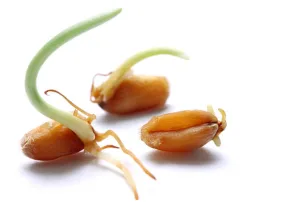
Grain de blé qui germe

Phytic acid is actually a way for the plant to protect itself:

  • Too early germination because phytates are the main reserve of phosphorus and minerals that will allow the plant to grow.
  • Of its potential predators because phytates serve as a biochemical defense.


What are its effects on the nutritional qualities of bread?

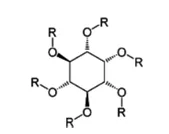
It is sometimes referred to as an “anti-nutrient” factor because it limits the absorption of micronutrients by binding to minerals and trace elements to form phytates, which are insoluble salts. This is called a chelation process.

Structure de l'acide phytique

During the digestion process, this will slow down the absorption of non-heme iron (that which is of vegetable origin) and also the absorption of magnesium, calcium and zinc.

Thus, phytic acid reduces the nutritional benefits related to the presence of minerals and trace elements present in whole grain flours because our body is not able to assimilate them.

With an unbalanced diet, the exclusive consumption of wholemeal breads rich in phytic acid can even lead to mineral deficiencies.

Phytates also have a role that can be beneficial for some people, particularly through their antioxidant properties and the prevention of kidney stones.


How can you reduce this effect in your products?

Nature is well made because wheat can synthesize an enzyme, phytase, which will degrade phytic acid, which allows, during the germination of the seed, to release the phosphorus and minerals necessary for the growth of the new plant.

The yeasts used for the fermentation of bread are also a source of phytases.

Various parameters of the bread-making process make it possible to activate phytases in order to improve the nutritional qualities of the finished products, including:

  • Hydration
  • Acidification
  • Temperature
  • Fermentation time

To find out more, take part in our Bread and Nutrition training session!


References : Kumar et Sinha, L. Lesage, E Foisnet, Schlemmer et al.

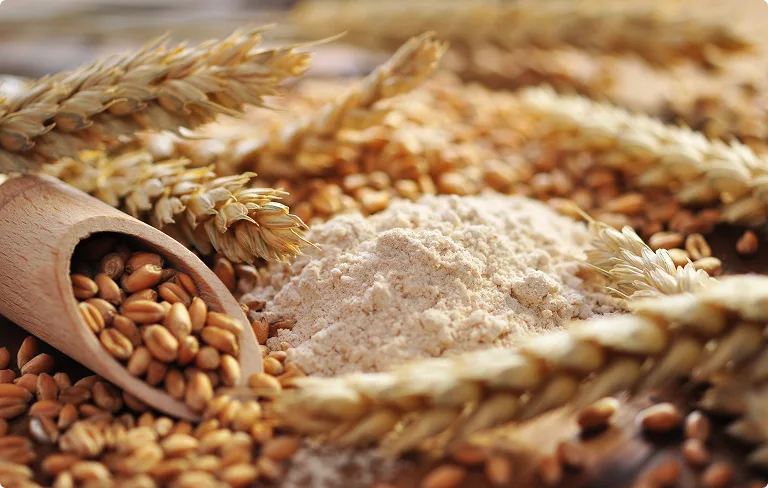
épis, grains et farine de blé

In the same category, here are some other articles you might find interesting...