
back to the list of articles

Discover the world of toast bread

Where do the different types of toast bread come from?

Convenient and soft, found in kitchens around the world, toast bread seems to be an indispensable classic with countless variations.

In this article, we invite you to explore the origins of the techniques and recipes that have shaped the sensory qualities of these breads, which are enjoyed by consumers whose preferences have never stopped evolving

Where does sandwich bread come from?

The use of toast bread—also known in many countries as “sandwich bread”—as a base for other foods traces back to ancient breads, the direct descendants of which are Lebanese pita and Ethiopian injera.

Later, flatbreads were used by bakers to test the heat of their ovens and as snacks filled according to individual preferences, giving rise to the Italian pinsa and the French préfou (a contraction of “pré-four”).

The term “sandwich” comes from Sir John Montagu, 4th Earl of Sandwich, whose duties as First Lord of the British Admiralty left little time for social dinners, so he would eat two slices of bread topped with salted beef that were brought to him in his office. This way of eating was not new, but the earl made it popular through his fame as a great traveler, cricket champion, minister, and patron of artists and explorers such as James Cook, who named the Sandwich Islands—now Hawaii—in his honor. (1.)

The best invention since sliced bread!

The soft, convenient sandwich bread we know today is the result of three successive innovations:

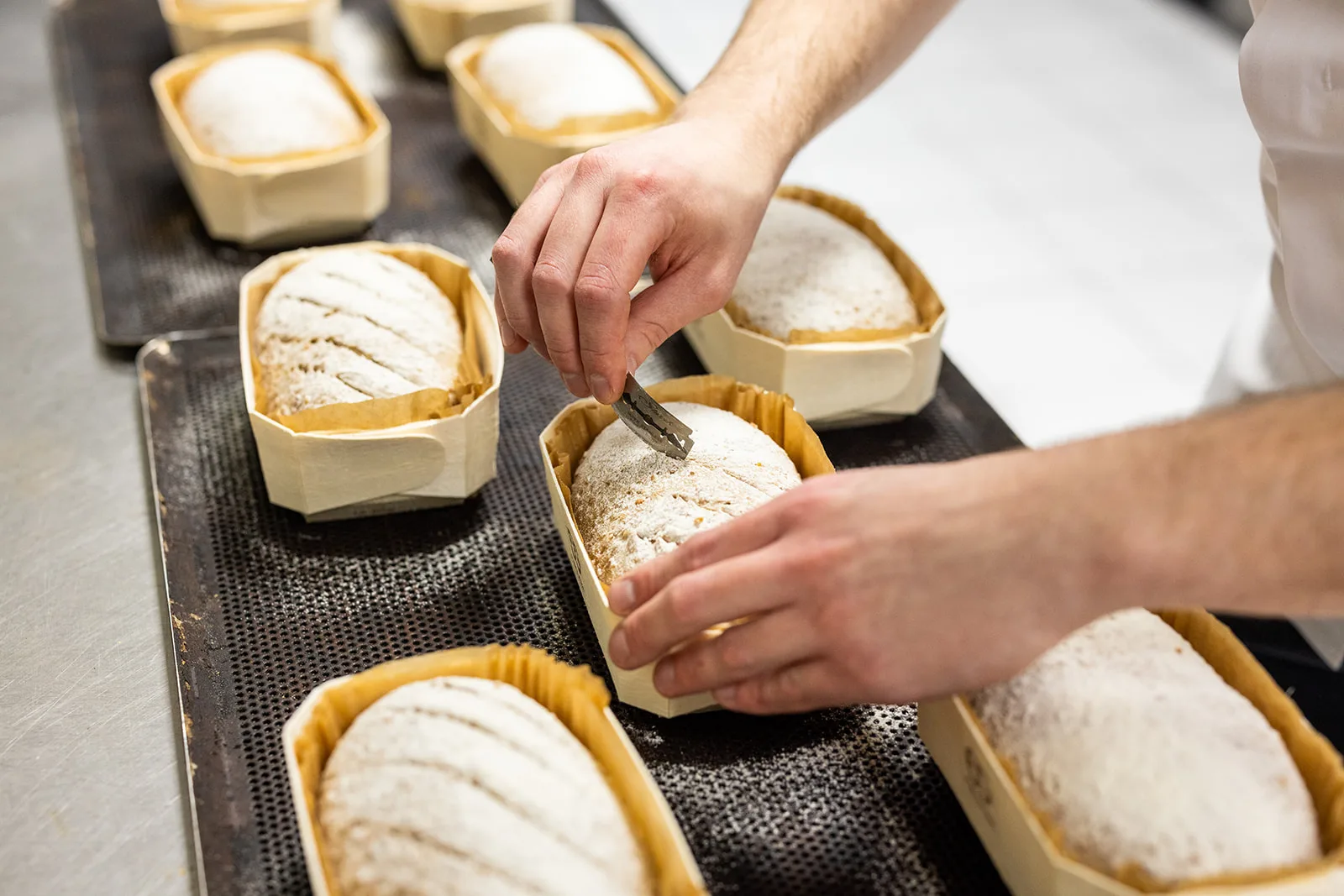
  • Baking in a mold, popularized in the early 18th century in England and later in the United States, which produced bread with a thin crust and minimized water loss during baking.
  • The automatic slicer, created in 1912 by Otto Rohwedder, which produces even slices in a single quick and safe step.
  • The automatic packaging machine in 1928, again by the same inventor, which helps maintain freshness and allows for gradual consumption of the product.(2)

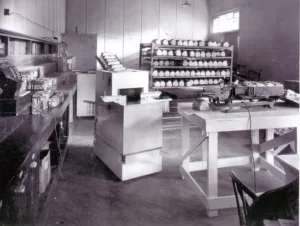
première trancheuse et emballeuse à pains de mie aux USA

Mr. Rohwedder’s inventions were first put to use in 1928 at the Chilicote Baking Co.

Sliced and packaged white bread began to be produced and consumed in English-speaking countries, and then around the world.

How the toaster transformed breakfast

A true revolution took place in 1921, thanks to Charles Strite. Annoyed by the burnt toast served in his company’s cafeteria, he decided to create a toaster with a spring-loaded mechanism and an adjustable timer.

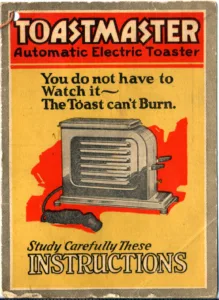
This device, called the Toastmaster, automatically cuts off the heat and ejects the toast once it’s ready. It was the first automatic toaster, initially intended for restaurants, then for the general public, and it was an immediate success. That’s how the perfect slice of toast became a staple of the morning routine for millions of people.

Premier grille pain automatique


Two major innovations in the manufacturing process

  • The widespread use around 1932 of closed molds to produce square-shaped loaves that were softer and easier to transport on the luxury night trains of the Pullman Company in Chicago, whose name became associated with this type of bread in many countries.
  • The Chorleywood process in England in 1961 reduced mixing and fermentation times, producing voluminous, soft loaves with a very white crumb without the addition of sugars or fats. This process uses a Tweedy™ high-speed mixer consisting of a closed, pressurized bowl and a propeller-shaped arm, which allows for accelerated dough oxidation to maximize the effect of ascorbic acid, as well as the use of low-protein flours; a partial vacuum is created during the second stage of mixing to achieve a finer crumb texture. (3)

The best sandwich bread is Japanese!

Shokupan is considered a very high-quality product in Japan, often eaten toasted in thick slices and sometimes topped with refined ingrédients in the country’s finest cafés and restaurants.

It is also a technical challenge: a rich dough, high-quality ingredients, the use of scalded flours, pre-ferments, four shaping stages, and delicate baking combine to create a symphony of flavors and textures.(4)

Shokupanman, personnage animé japonais en forme de pain de mie

Shokupan, just like Anpan, is part of Japanese popular culture and even has its own character: Shokupanman!

How are white bread loaves categorized?

Professionals use various criteria to categorize white bread loaves:

  • Shape: round, square, crustless.
  • Recipe composition: English-style with 0–2% sugar and fat, American-style with 2–5% sugar and 1–5% fat, Japanese-style with 6–12% sugar and 6–15% fat.
  • Shelf life: short (2 to 4 days), medium (4 to 14 days), long (more than 15 days).

At Eurogerm, we use sensory analysis to help our clients identify the sensory characteristics of their sandwich breads, particularly texture, in order to suggest improvements that will appeal to their consumers. (5)

Changing consumer expectations?

Around the world, sandwich bread lovers are seeking products with fewer additives and better nutritional quality for an enhanced sensory experience.

The use of different grains, sourdoughs, inclusions, and seeds allows for ever-greater diversity!

To explore this topic further together:

Toast Bread training session

Bread nutrition training session

Enzymes and Ingredients training session

  1. Modernist Bread https://modernistcuisine.com/books/modernist-bread/
  2. https://www.thehomeofslicedbread.com/about
  3. https://www.campdenbri.co.uk/blogs/chorleywood-bread-process.php

https://www.bakerperkins.com/bread/equipment/tweedy2-high-speed-mixer/

  1. https://web-japan.org/trends/11_food/jfd202109_shokupan.html
  2. Global sensory mapping of sandwich breads. Naël Haidar, Eurogerm


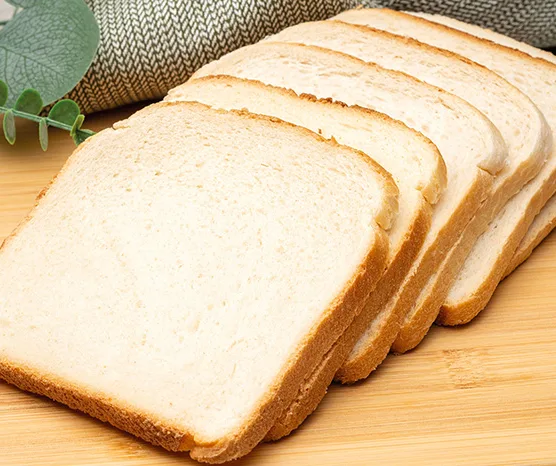
Tranches de pain de mie

In the same category, here are some other articles you might find interesting...